Furs You Can’t Sell: What to Do With Vintage Endangered-Animal Fur Clothing
Furs You Can’t Sell: What to Do With Vintage Endangered-Animal Fur Clothing
You may have an older fur coat sitting in your closet that has been in your family for decades. Perhaps it belonged to your mother or grandmother, or it was purchased many years ago as a special investment.
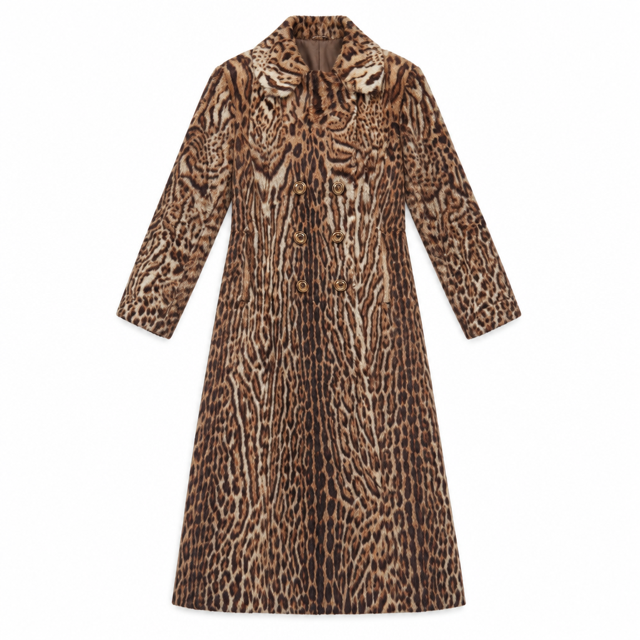
But what happens when you discover that the fur is from a species that can no longer be legally sold or traded? To name some: Leopard, tiger, ocelot, cheetah, and snow leopard. Their sales are globally banned under CITES (Convention on International Trade in Endangered Species)
This can be confusing for owners of vintage fur garments. Even when a coat was legally purchased many years ago, changing laws and regulations can affect whether it can be resold today.
The good news is that being unable to sell a vintage fur does not necessarily mean it has to be thrown away. There are often other meaningful options.
Why Some Vintage Furs Can’t Be Resold
Over the years, international, federal, provincial and state laws have changed considerably concerning wildlife and products made from protected species.
Certain animal species are now protected or subject to strict trade restrictions. Examples can include some types of wild cat, seal, otter, and other species depending on the animal, country of origin and applicable legislation.
A vintage garment may have been completely legal to purchase when it was originally sold, yet the rules governing its resale or international movement may have changed.
This is particularly important when a garment is being shipped across borders. A coat that may be acceptable to possess privately may have restrictions on commercial sale, export or import.
Always verify the current regulations before attempting to sell, donate, ship or alter a garment made from a protected species.
First: Identify What You Actually Have
Before deciding what to do with an old fur, have it properly identified.
Vintage garments are sometimes incorrectly labelled, and identifying a fur based solely on appearance can be difficult. A professional furrier or experienced vintage-fur specialist may be able to help determine:
- The species of fur
- Whether the fur is natural or dyed
- The approximate age of the garment
- Whether it has been altered or restyled
- The condition of the leather and fur
- Whether there are labels or documentation indicating its origin
This information can make a significant difference when determining what options may be available.
Option 1: Keep the Garment
If you cannot legally sell the coat, you may simply choose to keep it.
A vintage fur can have considerable sentimental value even when it has little or no resale market. Proper cold storage can help protect the fur and leather from heat, humidity, insects and deterioration.
If the garment has been sitting in a warm closet for years, professional storage may be worth considering.
Option 2: Restyle It
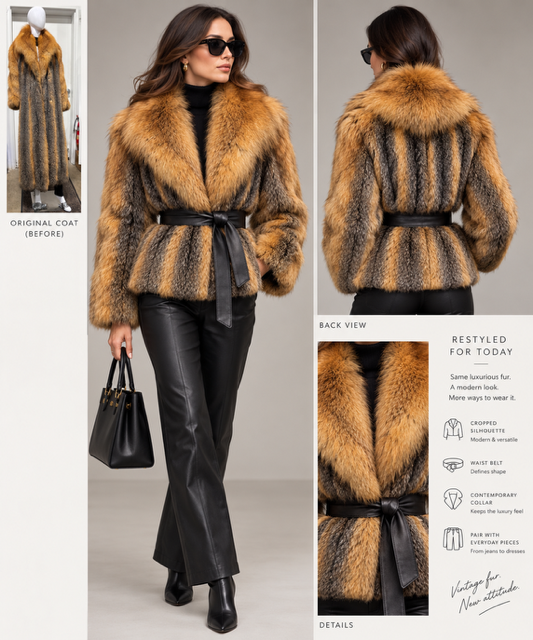
In some circumstances, an older fur can be transformed into something completely different.
Instead of continuing to wear the garment in its original style, a furrier may be able to incorporate portions of the existing garment into a new design.
Depending on the species, applicable laws and the circumstances of the garment, possibilities might include transforming a long coat into a shorter jacket, changing the silhouette, creating a vest or incorporating the fur into another wearable piece.
However, restyling does not automatically make a restricted fur legal to sell. The legal status of the original material needs to be considered before any commercial transaction takes place.
Option 3: Transform It Into a Home Décor Piece
One of the most beautiful ways to give an old fur a new purpose is to transform it into something for the home.
Depending on the fur and applicable regulations, possibilities can include:
A Fur Throw
A beautiful fur throw can preserve the warmth, texture and character of an old garment while giving it an entirely new purpose.
A coat that is no longer fashionable can sometimes become an elegant accent for a chair, bench or bed.
Cushions and Pillows
Smaller sections of fur may potentially be incorporated into decorative cushions or accent pieces.
A Keepsake
For a sentimental garment, even a small portion can sometimes be preserved as a family keepsake, rather than allowing the entire coat to deteriorate in storage.
Again, any alteration should be discussed with a qualified professional who understands the applicable wildlife regulations.
Option 4: Donate or Give It to a Family Member
If you cannot sell the garment but can legally transfer or give it away, another possibility is to pass it on to someone who appreciates vintage clothing.
A family member may value the coat for its history and craftsmanship rather than its resale value.
Before transferring a garment made from a potentially protected species, however, check the applicable laws. A private gift can still be subject to wildlife regulations.
Option 5: Preserve the History
Sometimes the most appropriate choice is simply preservation.
Vintage fur garments can represent a particular period of fashion, craftsmanship and family history. If the garment has special significance, consider documenting its story.
Photograph the coat and record:
- Who originally owned it
- Approximately when it was purchased
- Where it was purchased
- Any labels or maker information
- Family stories associated with the garment
- Any available receipts or original documentation
These details can become just as valuable as the garment itself.
What You Should NOT Do
If you suspect that your fur may come from a protected or endangered species, don't assume that you can simply list it for sale online.
Avoid:
- Advertising it for sale before checking the law
- Shipping it internationally without confirming requirements
- Removing labels or documentation
- Assuming that its age automatically makes it exempt
- Assuming that calling it "vintage" makes it legal to sell
- Altering the garment specifically to circumvent restrictions
Wildlife-trade regulations can be complicated, and they can vary depending on the species, age, origin, location and type of transaction.
Vintage Doesn't Always Mean Valuable — But It Can Still Be Worth Preserving
The resale value of a vintage fur depends on many factors, including species, condition, style, provenance and current demand.
But monetary value isn't the only reason to preserve an old garment.
A beautifully made vintage fur represents craftsmanship from another era. For many families, it also represents memories, milestones and generations of personal history.
When resale isn't an option, repurposing and preservation can give that history a second life.
Before You Make a Decision
If you have an older fur that you believe may be from a protected species, take a moment before selling, donating or disposing of it.
Have the garment identified, gather any original documentation you may have, and check the current regulations that apply where you live.
A professional furrier experienced with vintage garments can also help you understand the practical options for preserving or transforming the piece—subject to applicable wildlife laws.
Give an Old Fur a New Purpose
Not every vintage fur can be sold. But that doesn't necessarily mean its story has to end.
Whether it remains a treasured coat, becomes a beautifully restyled piece, is transformed into home décor, or is preserved as a family keepsake, an old garment can continue to have meaning long after its original purpose has changed.
Sometimes the most sustainable choice isn't to discard something simply because it can no longer be sold. It's to preserve, repurpose and appreciate what already exists.