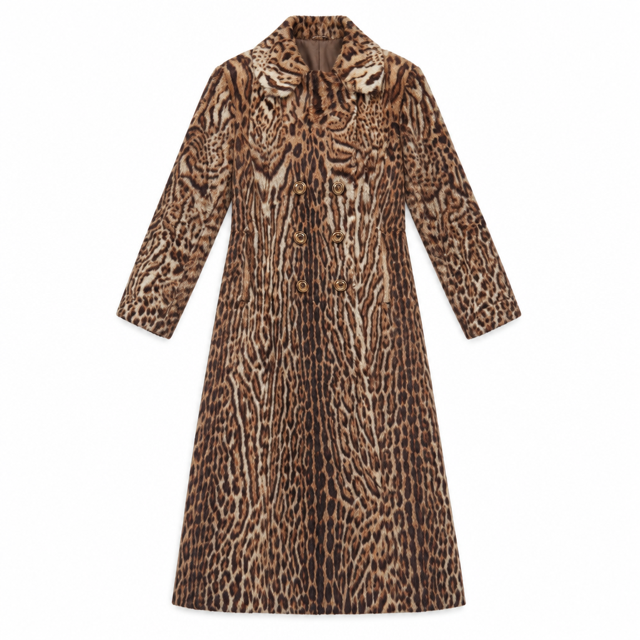
Article: “The Life Cycle of a Clothes Moth: Why Your Fur Coat Needs Proper Storage.”
“The Life Cycle of a Clothes Moth: Why Your Fur Coat Needs Proper Storage.”
Clothes moths can be especially damaging to fur coats, but an important point is often misunderstood: the adult moth does not eat the fur. The larvae do the damage.
The life cycle of a clothes moth
1. Adult moth → lays eggs
An adult female clothes moth seeks dark, quiet, undisturbed areas where its young will have food. Fur garments, wool, feathers, felt and other animal-based materials are attractive locations. She can lay dozens of tiny eggs, often deep in folds, seams, collars or other protected areas.
2. Eggs → hatch into larvae
The eggs hatch into tiny cream-coloured larvae. This is the dangerous stage for a fur coat.
The larvae need protein for growth and feed on keratin, a protein found in animal fibres. A natural fur coat provides exactly the type of material they can exploit.
3. Larvae → feed and grow
Depending on temperature, humidity and food availability, the larval stage can persist for weeks or months. They tend to avoid light and remain hidden deep in the garment.
On a fur coat, larvae can attack the hair and natural materials around the hide, causing hairs to loosen and eventually producing bare or thinning areas. You may also see webbing, tiny cases or debris in the fur.
This is why moth damage can become significant before the owner ever sees an adult moth.
4. Larvae → pupae
Once mature, the larva forms a cocoon or pupal case, often in a protected area of the garment or storage space.
5. Adult moth emerges → cycle begins again
The adult emerges, mates and lays another generation of eggs. Adults are generally small beige/golden moths that prefer darkness rather than flying prominently around lights.
Why fur coats are particularly vulnerable
Natural fur is an animal-derived material and can remain undisturbed for long periods—exactly the environment clothes moths prefer. Garments stored in a warm closet throughout spring and summer can therefore be considerably more vulnerable than many owners realize.
There is another important factor: food, perspiration, body oils and other residues on a garment can make stored clothing even more attractive to insect pests.
What moth damage looks like on fur
Early signs can include unusual shedding, loose guard hairs, small thinning areas, webbing or cocoon-like material, and larvae or tiny cases hidden close to the leather. More advanced infestations can leave noticeable bald patches.
Once the hair has been eaten or sufficiently damaged, it doesn't grow back. A furrier may sometimes repair a localized damaged section, but widespread moth damage can permanently reduce the garment's appearance and value.
Why professional cold fur storage helps
This is one of the reasons professional fur storage is valuable. A proper fur vault maintains a cool, controlled environment that protects the garment during the warm months and makes conditions much less favourable for insect activity. It also protects fur from heat, excessive humidity and prolonged home-closet storage.